Heating & Air Conditioning in New York, NY
Bob's Heating and Cooling handles residential and light-commercial heating and cooling across New York and the surrounding area. From an AC that quit in a heat wave to a furnace that won't light on the first cold night, the fastest way to get help is to call — you'll reach a local technician, not a call center.
Emergency service
Urgent no-heat and no-cool calls handled fast, before small faults become failures.
Seasonal tune-ups
Preventive maintenance that keeps efficiency high and catches cheap fixes early.
Blower & motor repair
Failed blower motors, capacitors, and fan issues restored to spec.
Furnace repair
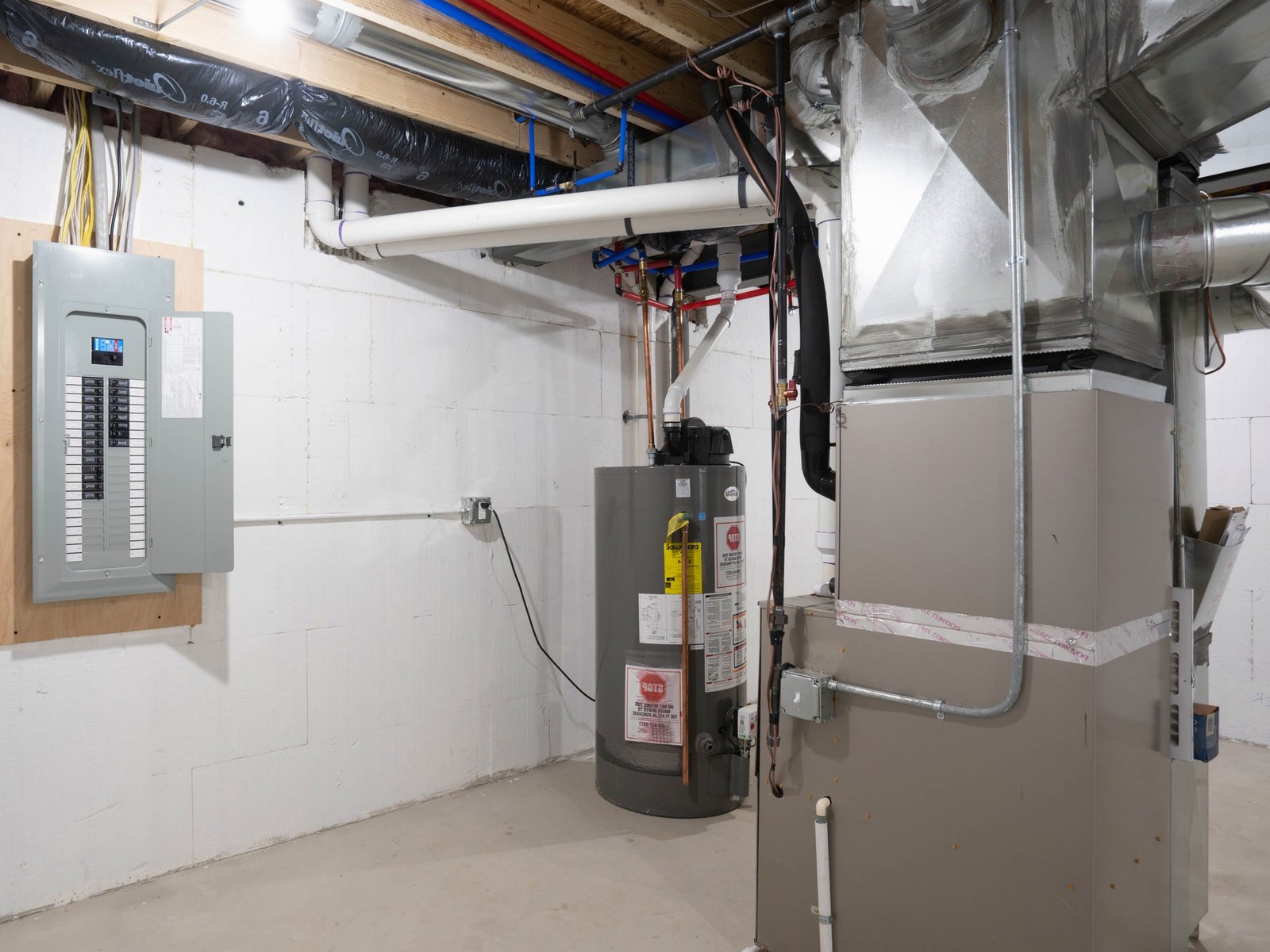
Ignition failures, flame sensors, blower motors, and no-heat emergencies on gas and electric furnaces.
Ductless mini-splits
Single and multi-zone systems for additions, garages, and rooms that never cool right.
Heat pump service
Install, repair, and tune-ups for air-source and cold-climate heat pumps.
Heating & Cooling in New York, New York
From lake-effect snowbelts upstate to humid city summers, New York weather works systems from both ends — New York needs heating that survives deep winter and cooling that handles muggy July stretches. Older buildings make ductwork, zoning and right-sizing frequent conversations. Local providers like Bob's Heating and Cooling understand these conditions and service equipment accordingly.
Common HVAC Problems in New York
AC blowing warm air
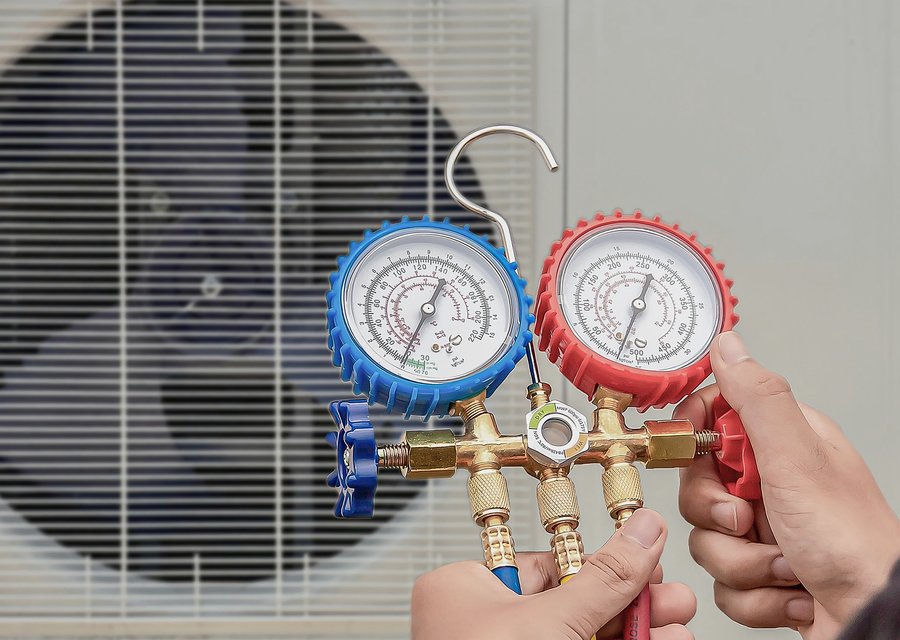
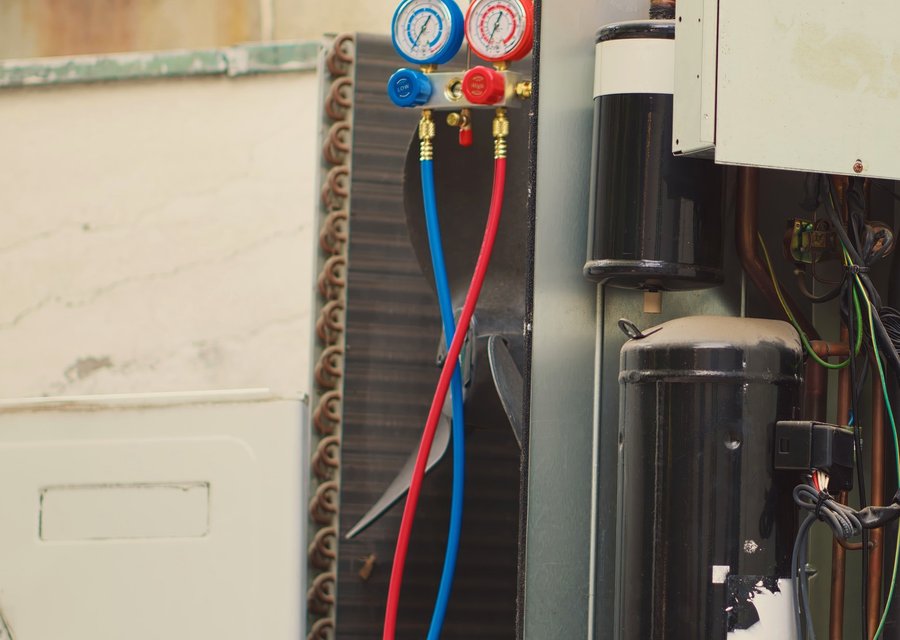
When an air conditioner runs but does not cool, common culprits include low refrigerant from a slow leak, a failed capacitor, or a dirty outdoor coil that cannot shed heat.
Uneven temperatures between floors
Multi-level homes often suffer hot upstairs rooms in summer. Duct adjustments, zoning dampers, or a ductless unit for the problem area are common solutions.
Weak airflow from vents
Weak or uneven airflow usually points to a clogged filter, leaky ductwork, or a failing blower motor. Left alone it forces the system to run longer and drives up energy bills.
Rising energy bills
A gradual creep in utility costs with no change in habits is one of the clearest signs a heating or cooling system is losing efficiency and due for a tune-up.
Why Choose a Local New York Company
Local companies live on reputation, and word travels fast in the community when work is done right. A provider who works these neighborhoods daily has seen your exact system and failure pattern before. Local technicians know the housing stock — from older homes with aging ductwork to new builds with high-efficiency systems.
Seasonal Tips for New York Homes
- Install a carbon monoxide detector on every floor if you heat with gas or oil, and check batteries each fall.
- Keep snow and ice cleared from heat pump outdoor units and exhaust vents to prevent shutdowns and carbon monoxide risks.
- Replace the furnace filter before heating season starts — restricted airflow is the top cause of winter no-heat calls.
- If pipes run through unheated spaces, keep the system running at reduced temperature during deep freezes even when away.
Frequently Asked Questions
How can I lower my heating and cooling bills?
Regular maintenance, fresh filters, a programmable thermostat, sealed ducts, and sensible temperature setbacks together typically trim 10–25% off energy use without sacrificing comfort.
Why is my AC running constantly in summer?
During heat waves some runtime is normal, but nonstop operation with poor cooling suggests low refrigerant, dirty coils, duct leaks, or an undersized system. A service visit can pinpoint which.
How often should HVAC systems be serviced in New York?
Most manufacturers and technicians recommend twice a year — a cooling check in spring and a heating check in fall. Given New York's weather patterns, staying on that schedule protects efficiency and catches small faults before peak season.
How long does an air conditioner last?
A well-maintained central air conditioner typically lasts 12–17 years. Systems that run long seasons or skip maintenance wear out sooner, while regular tune-ups and prompt repairs stretch lifespan toward the upper end.
Should I repair or replace my system?
A common rule: if the unit is past 12 years old and the repair costs more than a third of replacement, replacement usually wins. A technician can weigh age, efficiency, refrigerant type, and repair history for your specific unit.
Recent Work

Other Providers in New York
- Triple P Heating and Cooling — New York, NY
- Hayes HVAC — New York, NY
- Dawson Heating & Air Conditioning — New York, NY
- Healthy Home Heating & Air — New York, NY